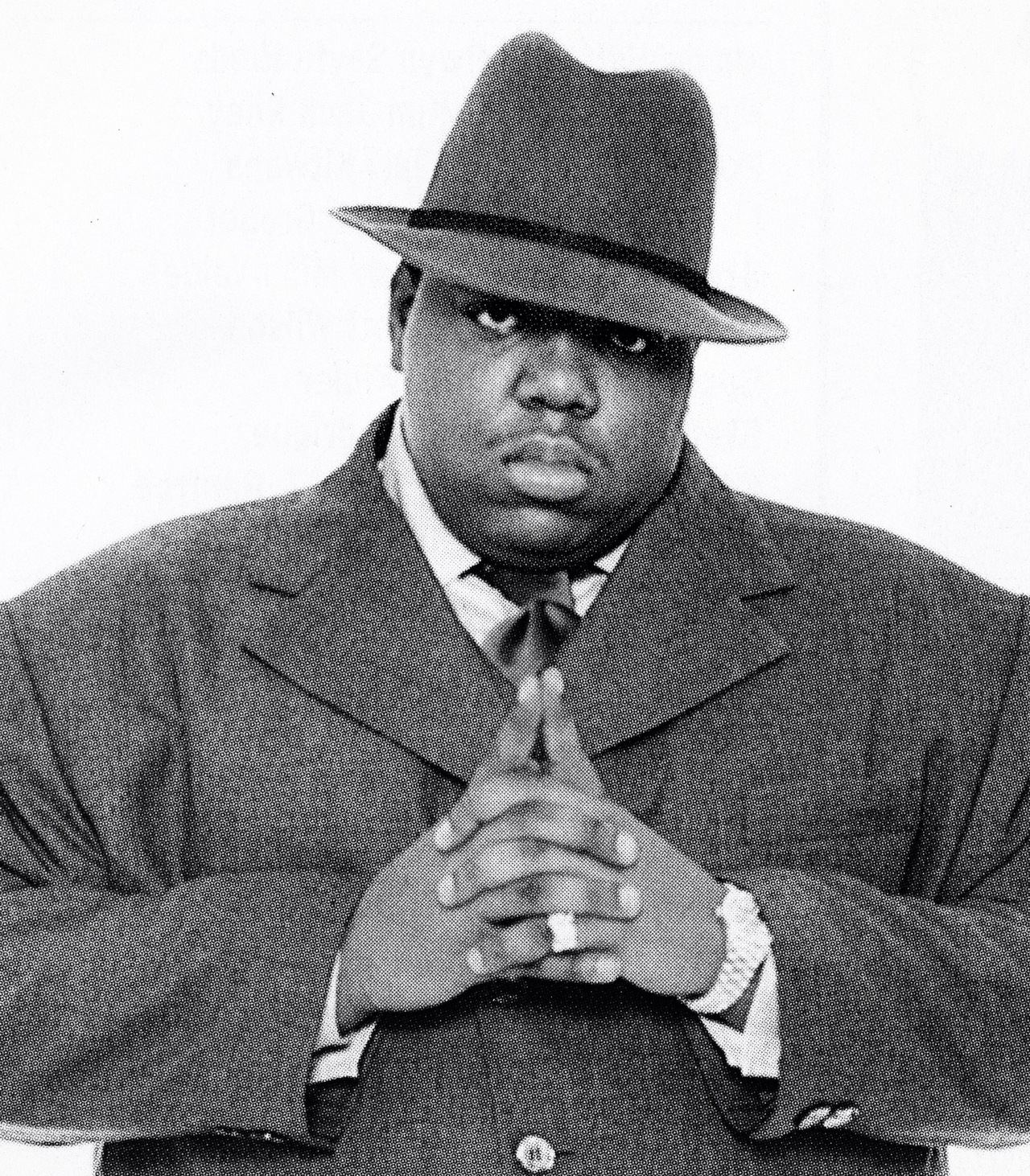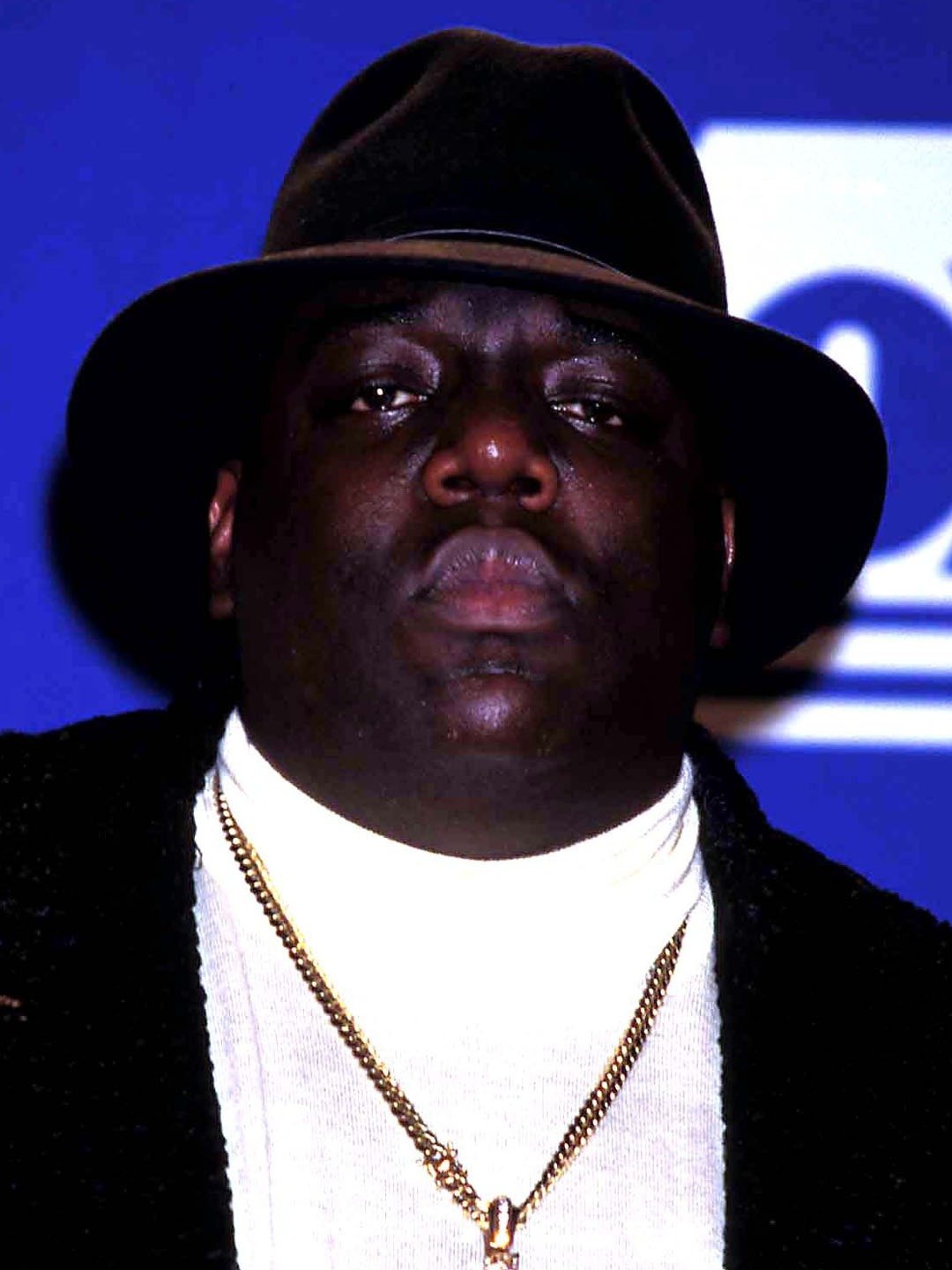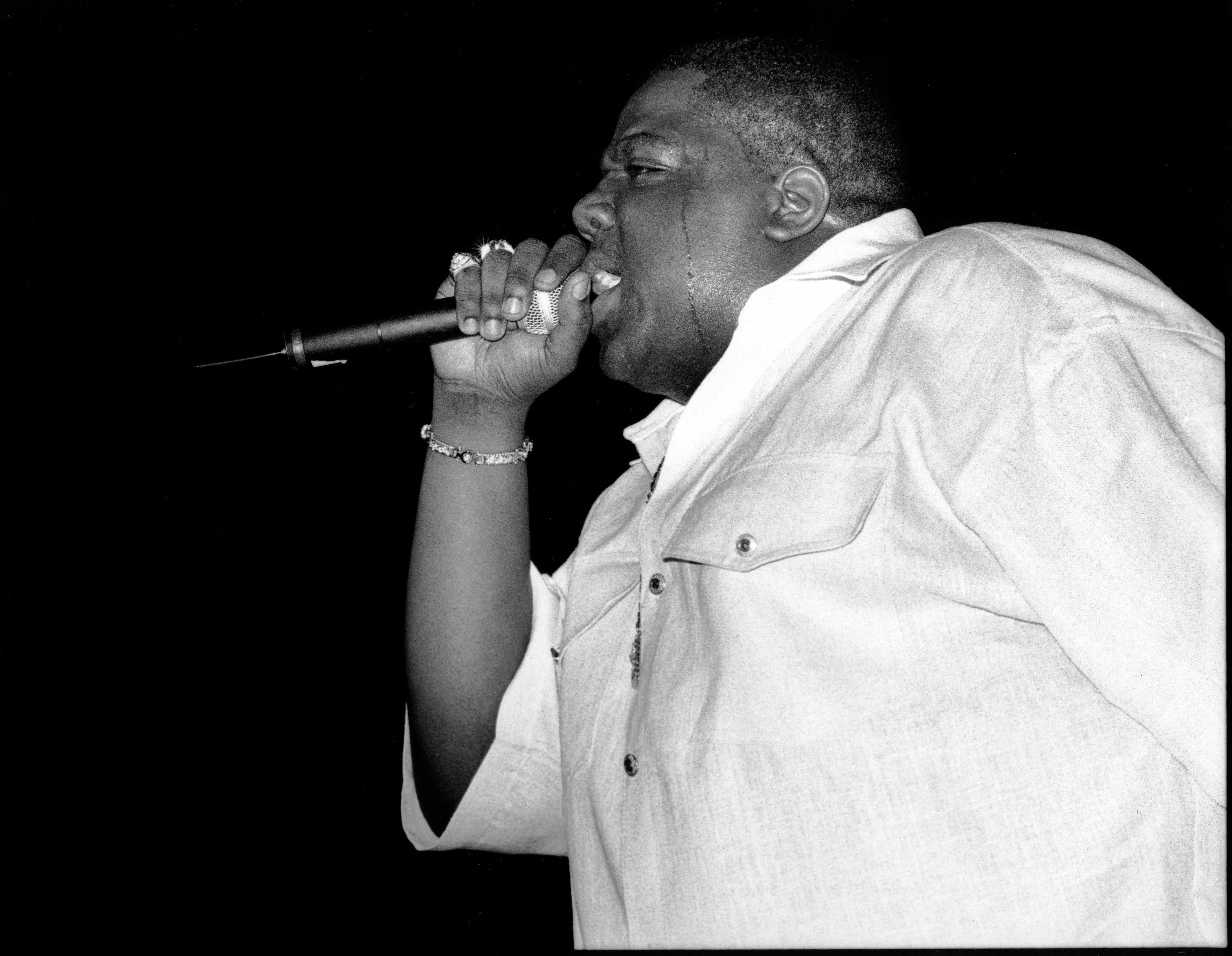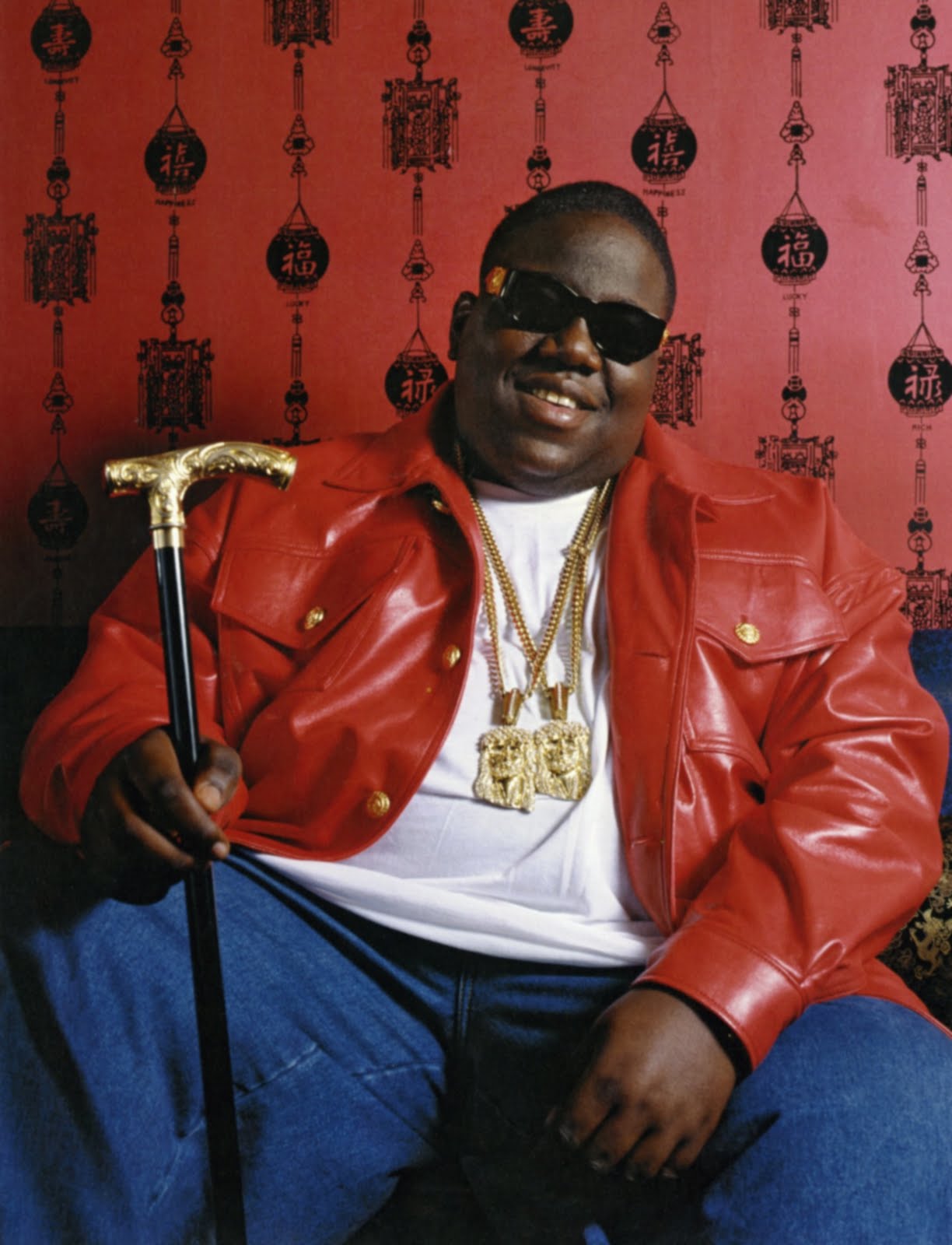
Directed by Emmett Malloy, the Netflix film offers the most intimate portrait of Christopher Wallace ever committed to screen
In 2021, Netflix released Biggie: I Got a Story to Tell — the first documentary on The Notorious B.I.G. to be made with the full cooperation and authorization of the Christopher Wallace Estate. Directed by Emmett Malloy and executive produced by Sean "Diddy" Combs and Voletta Wallace, the film spent years in development before arriving as a 61-minute portrait of one of music's most mythologized figures.
The film's central and most extraordinary asset is a collection of personal footage shot by Damion "D-Roc" Butler — Biggie's closest childhood friend and a member of his inner circle throughout his career. Butler carried a camcorder everywhere, capturing Biggie in hotel rooms, backstage, on tour buses, at recording sessions, at family dinners, and at the kitchen table in his mother's apartment in Brooklyn. The footage, unseen for over two decades, forms the visual backbone of the film.
"He was gentle. He was funny. He was home." — Damion "D-Roc" Butler
What emerges from that footage is a portrait radically at odds with the mythological "King of New York" image that has dominated Biggie's posthumous reputation. The Christopher Wallace who appears in Butler's home movies is warm, goofy, tender, and restless. He does impressions. He plays with his daughter T'yanna. He cracks up laughing at things other people say. He is, unmistakably, a young man from Brooklyn who has not yet fully understood that his life has become historic.
Voletta Wallace, who serves as the film's moral center, provides narration and extended interviews that anchor the documentary in the intimate specifics of her son's childhood. She describes his artistic gift — the way he could recite everything he'd ever heard, word for word — with the matter-of-fact pride of a mother who knew, from the beginning, that she had produced something singular.
The film is also remarkably candid about the difficult years. Wallace's arrests, his time in North Carolina jail, his complicated relationships — Biggie: I Got a Story to Tell does not sanitize its subject. The Estate's willingness to permit this level of honesty reflects both their confidence in the documentary's ultimate portrait and their commitment to preserving the full truth of Christopher Wallace's life rather than a curated hagiography.
Sean Combs, who appears extensively in the film, is visibly emotional throughout. His account of Biggie's recording process — the way he would listen to a beat twice and then rap an entire verse from memory — has since become one of the film's most-quoted sequences. "I never saw anybody work like that," Combs says. "He made it look easy. And he never wanted you to know how hard he was really working."
Critics praised the film for its emotional restraint and visual richness. The Guardian gave it four stars, calling it "a necessary corrective to decades of myth." Rolling Stone named it one of the best music documentaries of 2021. It is, above all, a film that gives Christopher Wallace back to himself — not as a legend, but as a person.
Original Publication
Read Original Article at Netflix