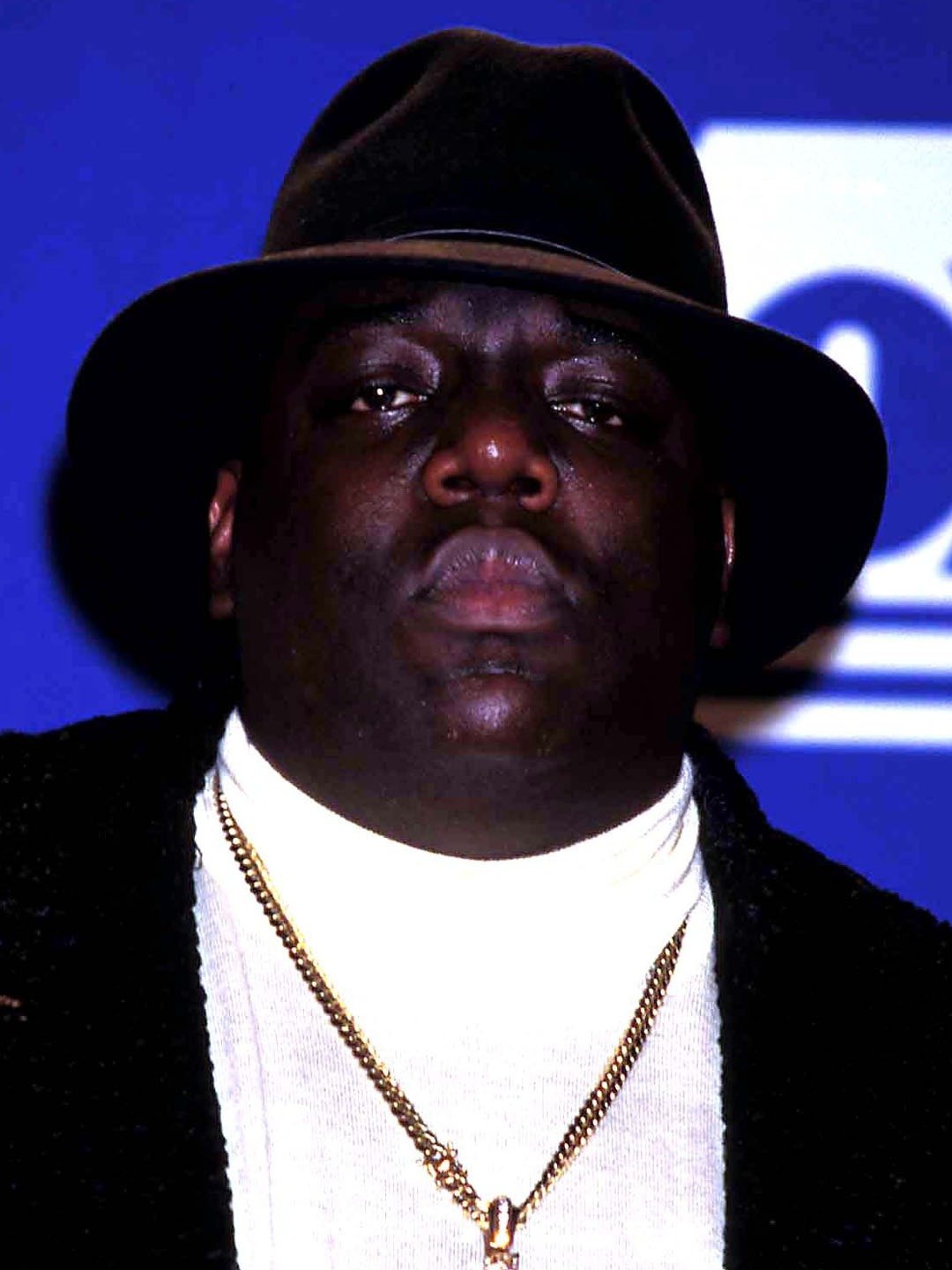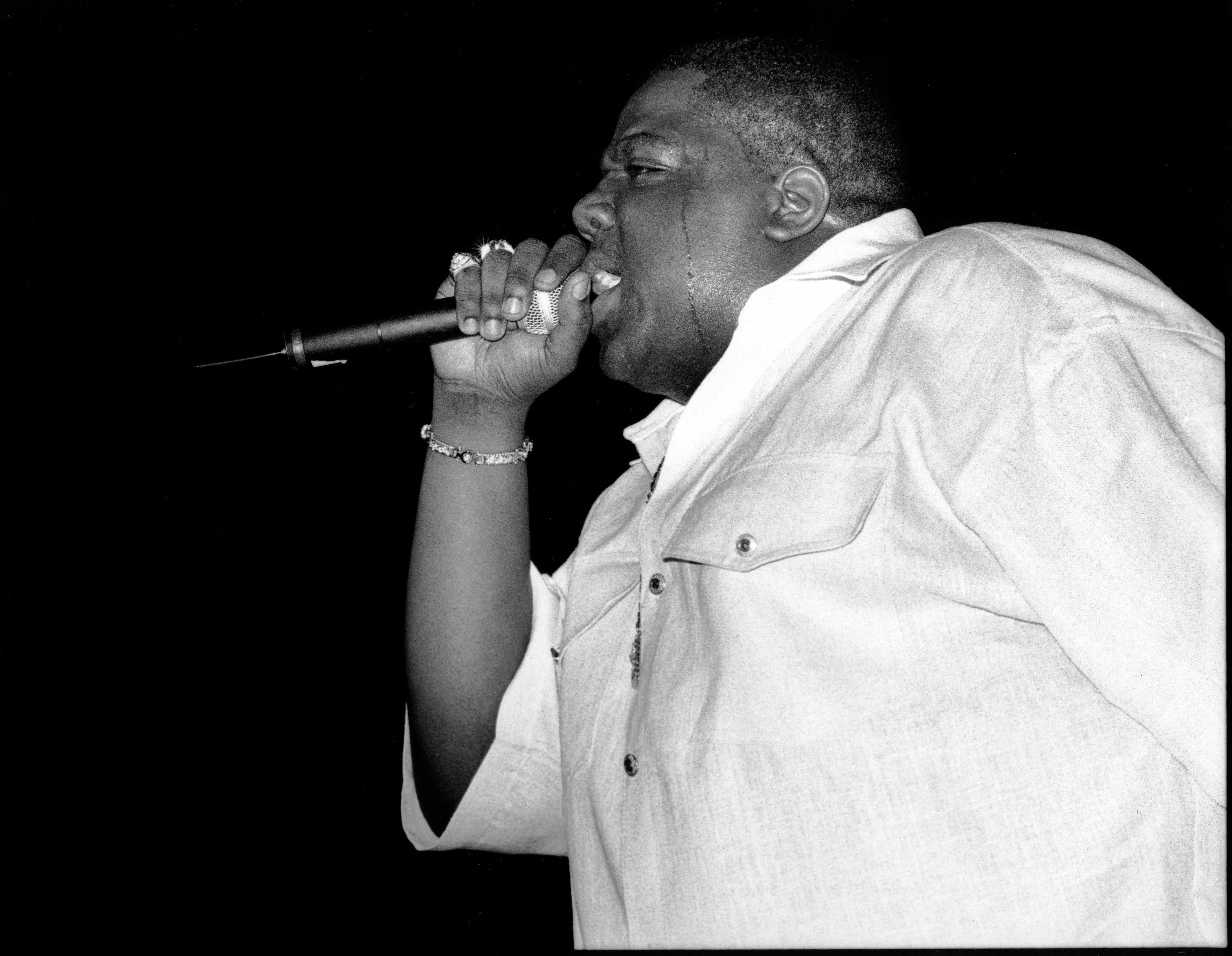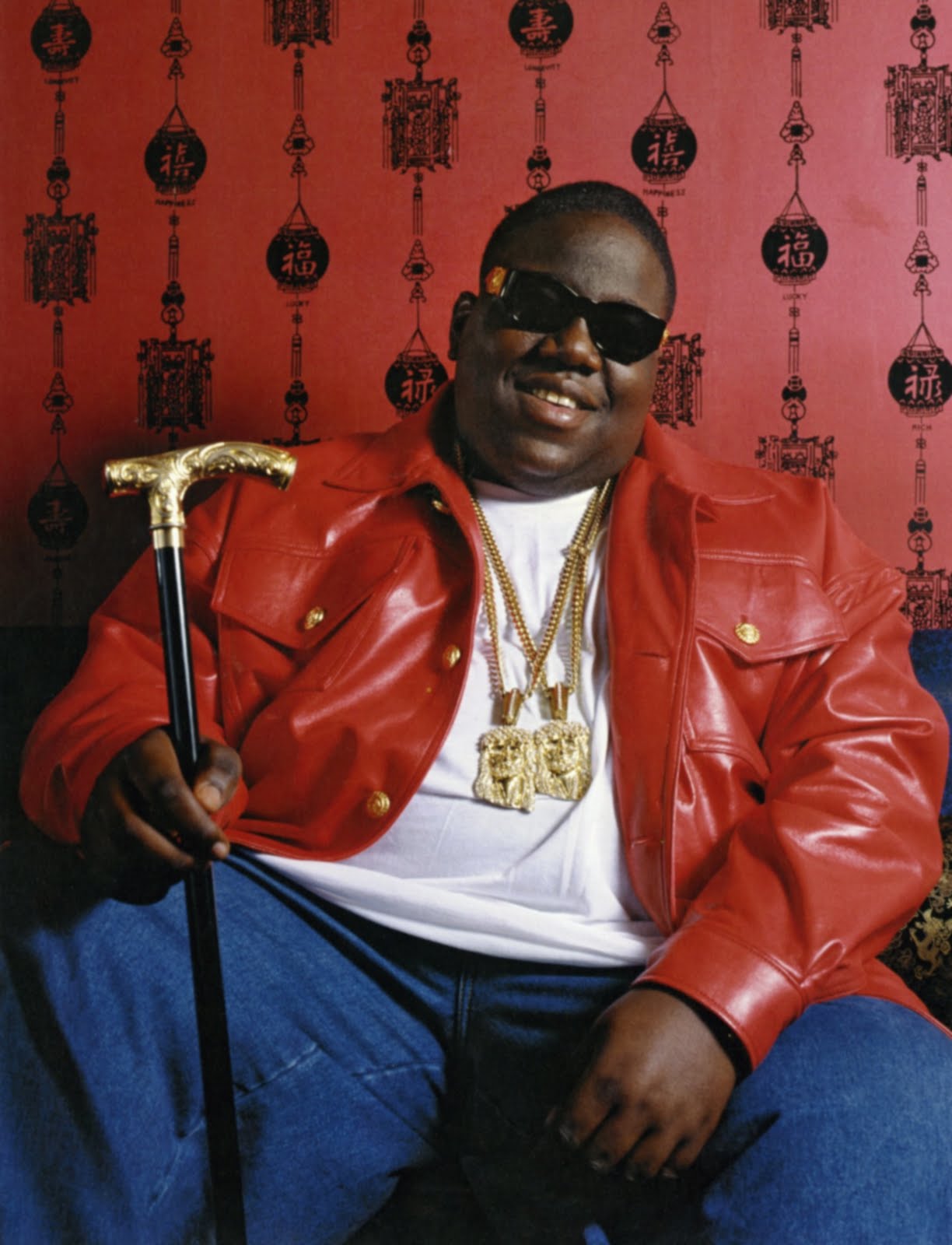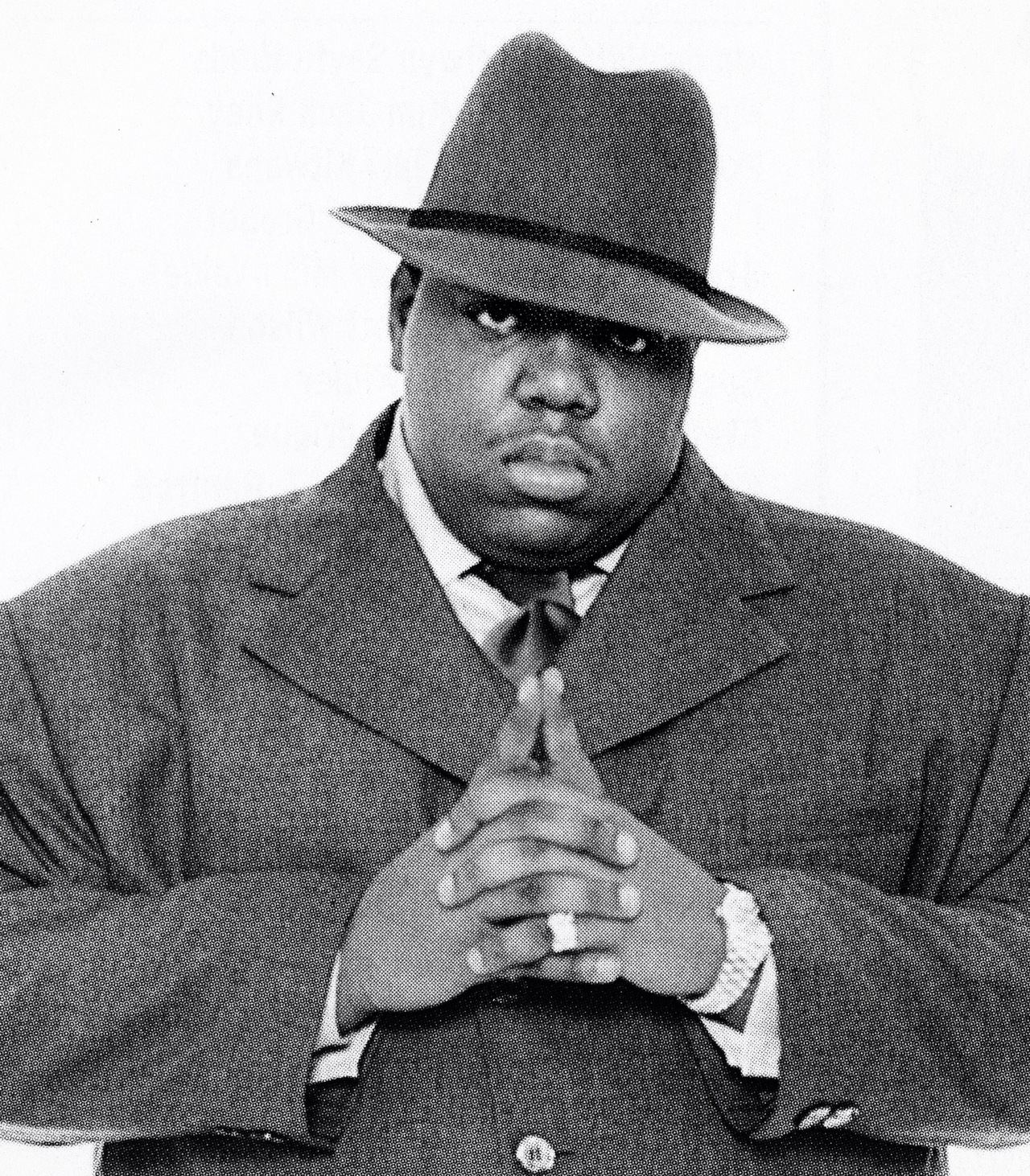
Christopher Wallace becomes only the second solo rap artist inducted in the Hall's first ballot
On January 15, 2020, the Rock and Roll Hall of Fame announced the inductees for its Class of 2020, and among them was Christopher George Latore Wallace — The Notorious B.I.G. — becoming one of the first hip-hop artists inducted on his first year of eligibility.
Wallace joins a class that also includes Whitney Houston, Nine Inch Nails, Depeche Mode, The Doobie Brothers, T. Rex, and Whitney Houston. The ceremony, held in May 2020 at the Public Auditorium in Cleveland, saw C.J. Wallace and T'yanna Wallace — Biggie's son and daughter — accept the induction on his behalf, accompanied by his mother Voletta Wallace and his former label head Sean "Diddy" Combs.
"He changed the way rappers thought about storytelling. He didn't just rap about the streets — he made you feel what it was like to live there." — Questlove
The induction is a long-overdue recognition of one of the most consequential musical artists of the 20th century. Biggie became eligible for the Hall of Fame 25 years after the release of his debut album Ready to Die in 1994. In just three years of recording — two studio albums, a handful of features, and a handful of freestyles — he reshaped East Coast hip-hop and defined the sonic and lyrical vocabulary of the entire genre for decades to come.
His debut album, Ready to Die (1994), documented the psychological terrain of street life in Bed-Stuy, Brooklyn with a confessional precision that reviewers and peers still struggle to equal. The follow-up, Life After Death (1997), released sixteen days after his murder, became a diamond-certified monument — one of fewer than forty albums in RIAA history to achieve that milestone. "Hypnotize" and "Mo Money Mo Problems" both topped the Billboard Hot 100 posthumously.
Producers and peers who worked with Biggie describe a rare combination of natural talent and quiet professionalism. He rarely wrote his lyrics down; instead, he memorized long, multi-syllabic verses after walking through the beat once. DJ Premier, who produced "Ten Crack Commandments" and "Unbelievable," has said that Biggie would listen to a beat twice, disappear into a back room, and return ready to record — verse complete, no paper.
In the years since his death in March 1997, Biggie's cultural footprint has only grown. His catalog streams hundreds of millions of times annually. His face appears on murals across Brooklyn, on gallery walls in Tokyo, on T-shirts in Paris. The Rock and Roll Hall of Fame induction formalizes what hip-hop had always known: that Christopher Wallace was not just a great rapper. He was one of the great American artists of his generation.
The Hall of Fame's decision to induct Biggie is part of a broader reckoning with the genre's legitimacy as rock's cultural heir. Rap did not merely borrow from rock's rebellion — it inherited it entirely, and Biggie was among its most articulate inheritors. In a catalog spanning just three years, he left behind a body of work that belongs alongside the greatest American music ever made.
Original Publication
Read Original Article at NPR